Identifying the Problem
Inefficiency Driven by Unregulated Content Production
Research and Understanding
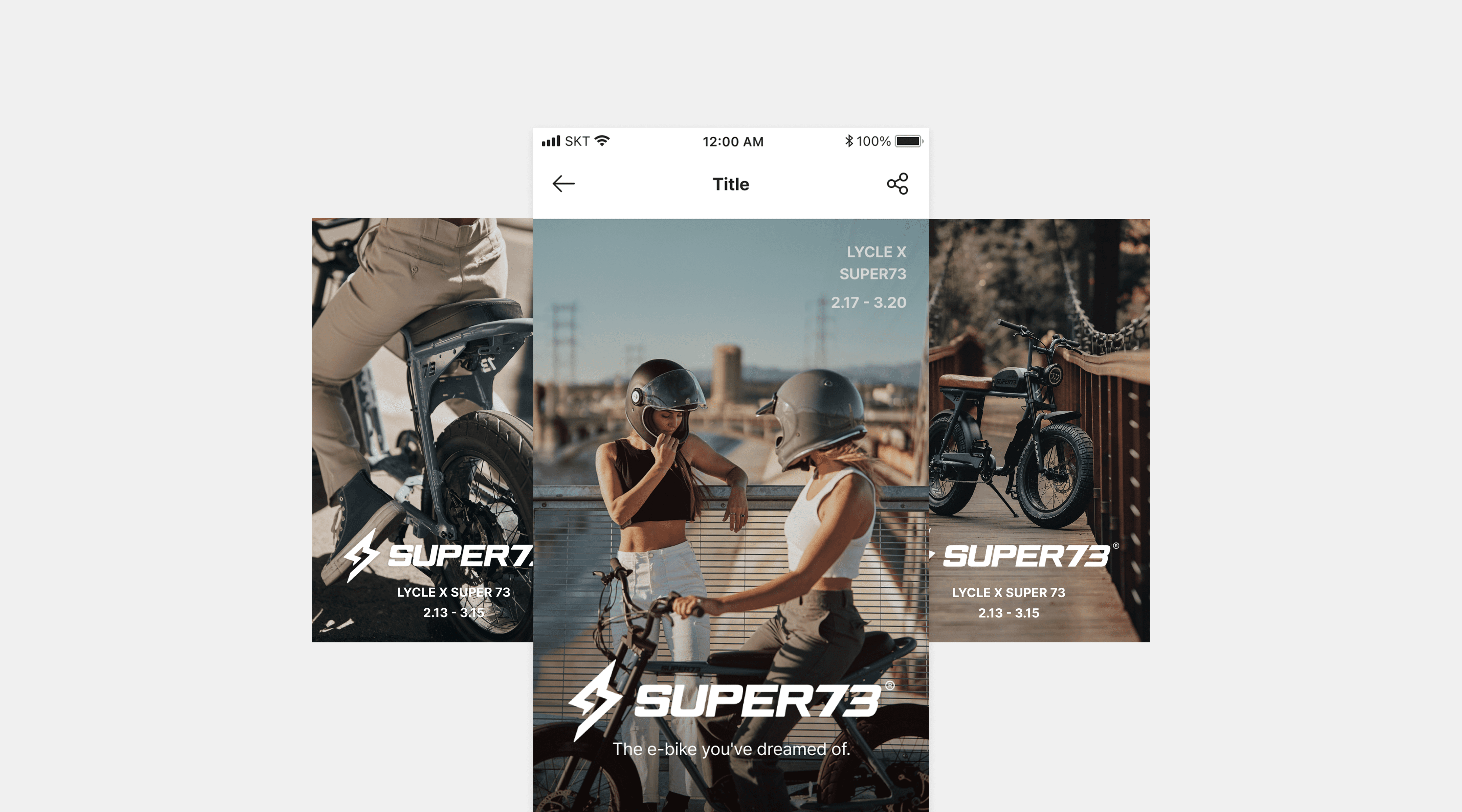
Many creators worked in different styles, which made our brand voice and identity unclear.
This confused our users and weakened our brand image.
Slow & Inefficient Workflow
We had to start every project from zero, wasting too much time on planning and design.
Constant back-and-forth edits made it hard to meet deadlines and tired out the team.
Hard to Track Results
Without set rules, it was difficult to see which design parts actually worked for our users.
This made it hard to find winning patterns and plan for future content.
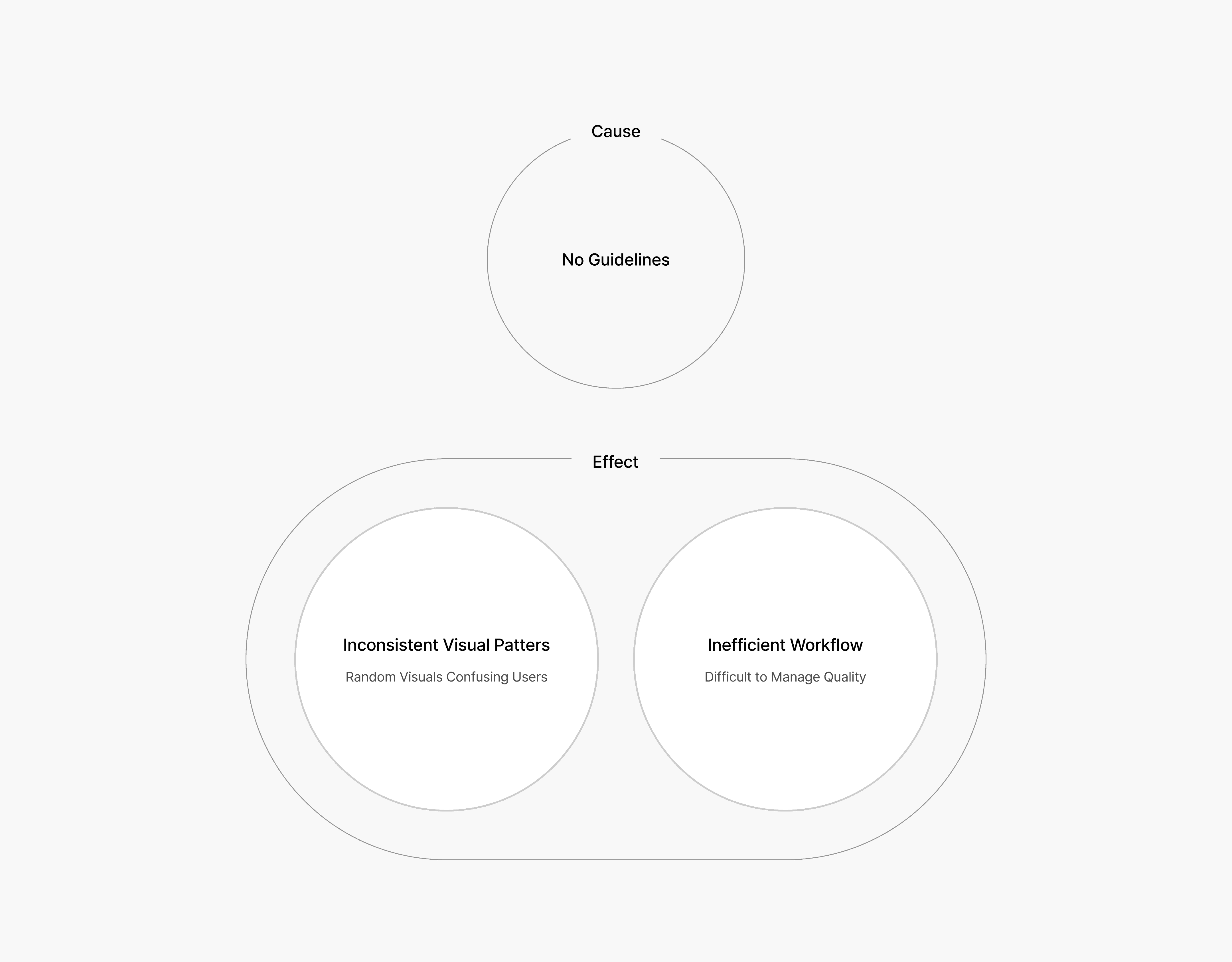
Lack of guidelines hinders efficiency and brand experience
Solution 01
Separation of Object and Content Areas
To establish structural order, I redefined the placement of previously disorganized elements.
By assigning dedicated zones for key subjects and logically isolating content areas, I prevented visual distraction and maximized the clarity of information delivery.
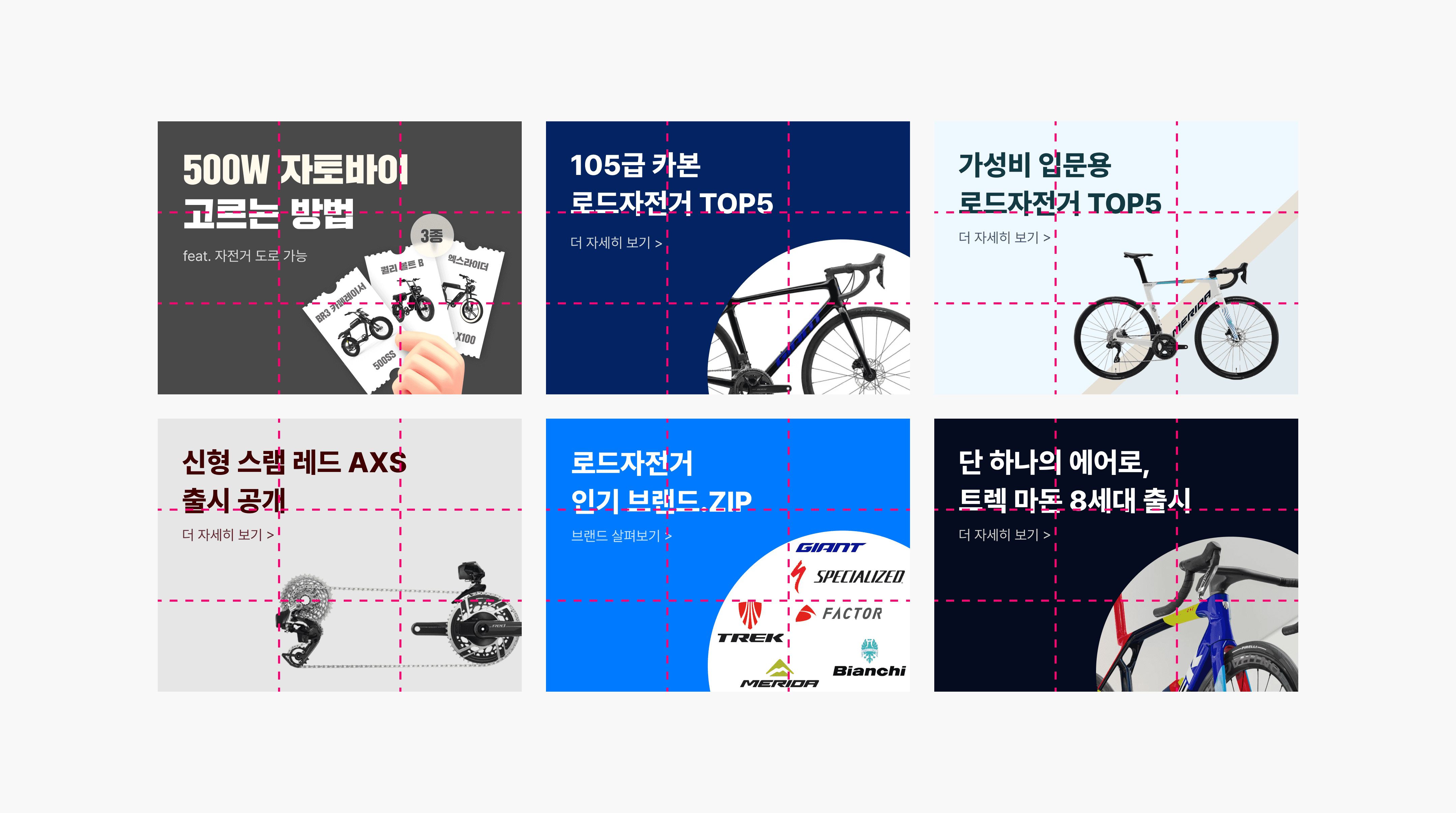
Example of Systematic Content Placement
Solution 02
Gradient Overlay for Readability
I implemented an overlay system to ensure message exposure remains unaffected by visual noise in background images.
This secures text visibility while maintaining the overall mood, successfully balancing high-end aesthetics with functional communication.

Example of Gradient Overlay System
Solution 03
Standardized Templates & Multi-Composition Design
Values that previously relied on individual discretion were standardized into templates for margins and padding.
By designing versatile composition modules, I built a production environment where brand identity remains robust across all content types.

Example of margins & padding compositions standard
Content Design Templates
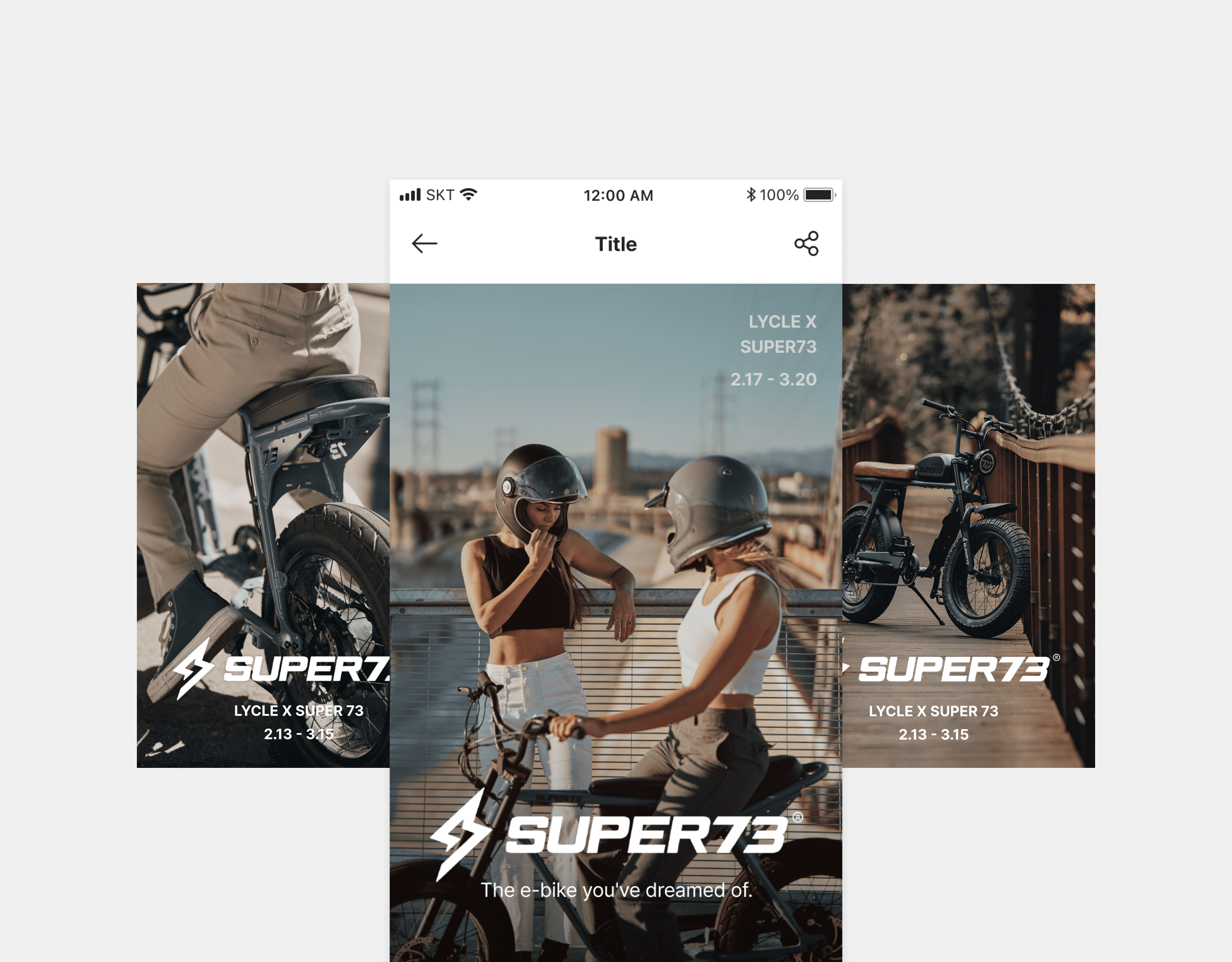
Examples of promotion image banner
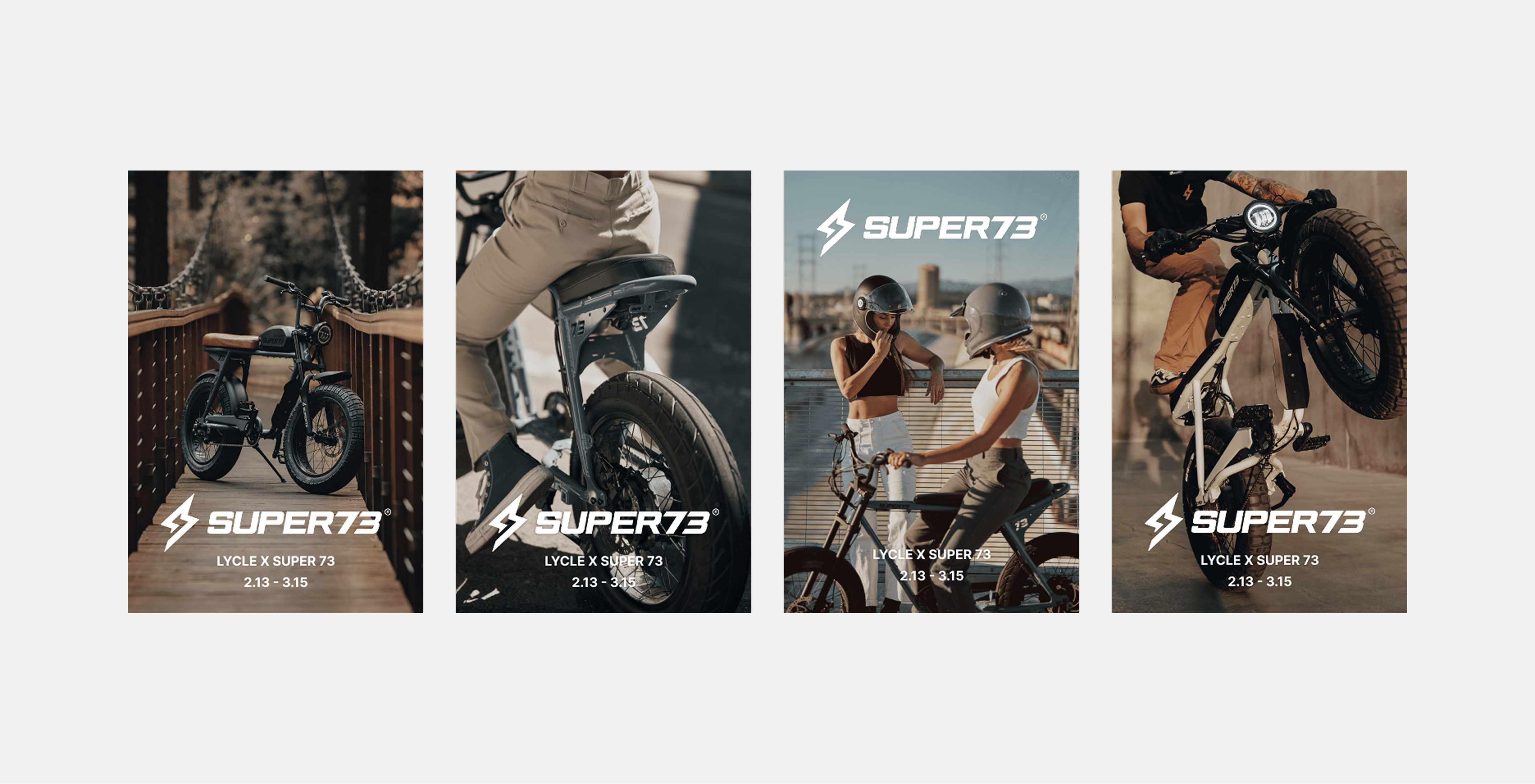
Examples of compositions balancing brand consistency
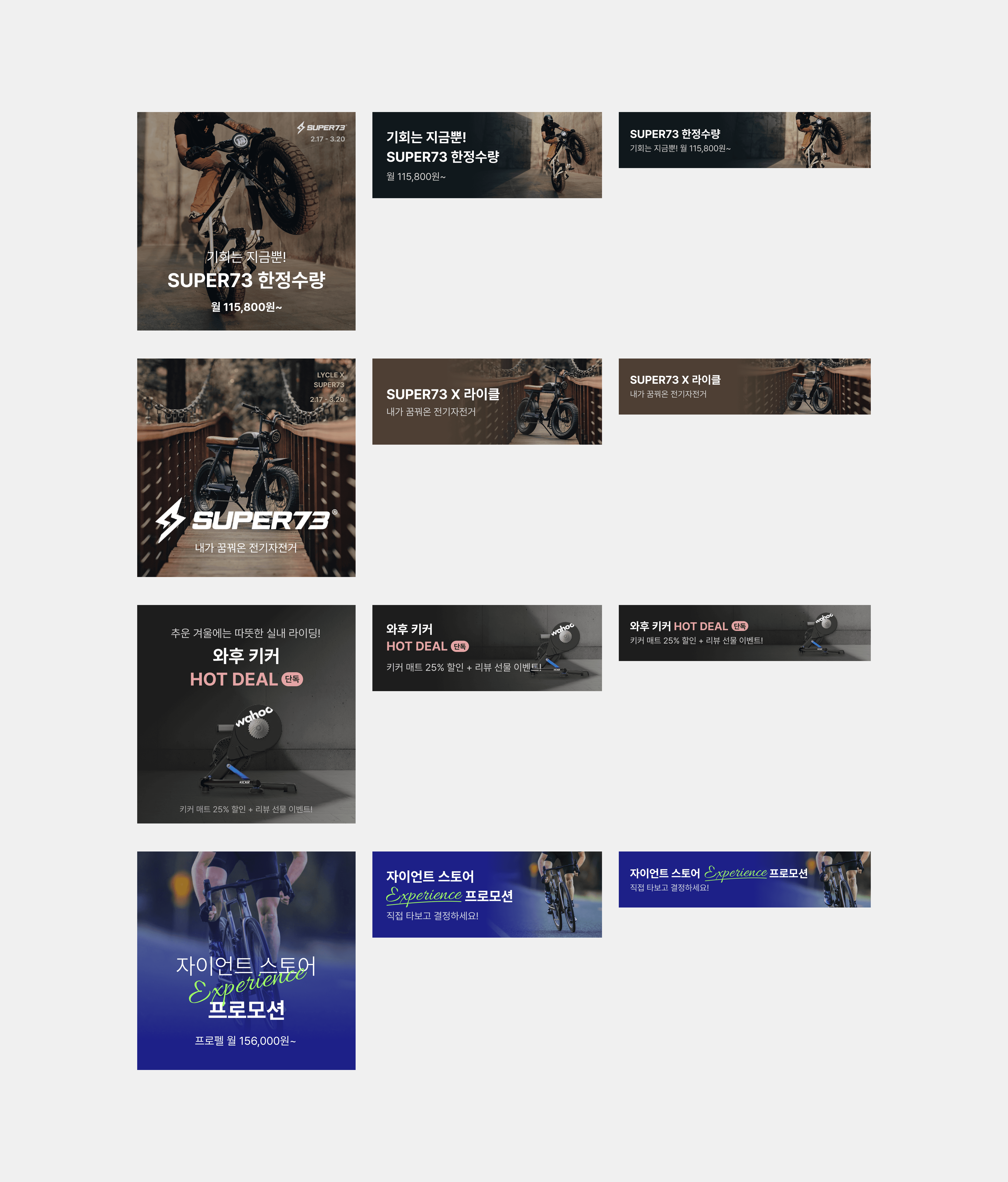
Examples of banner variants
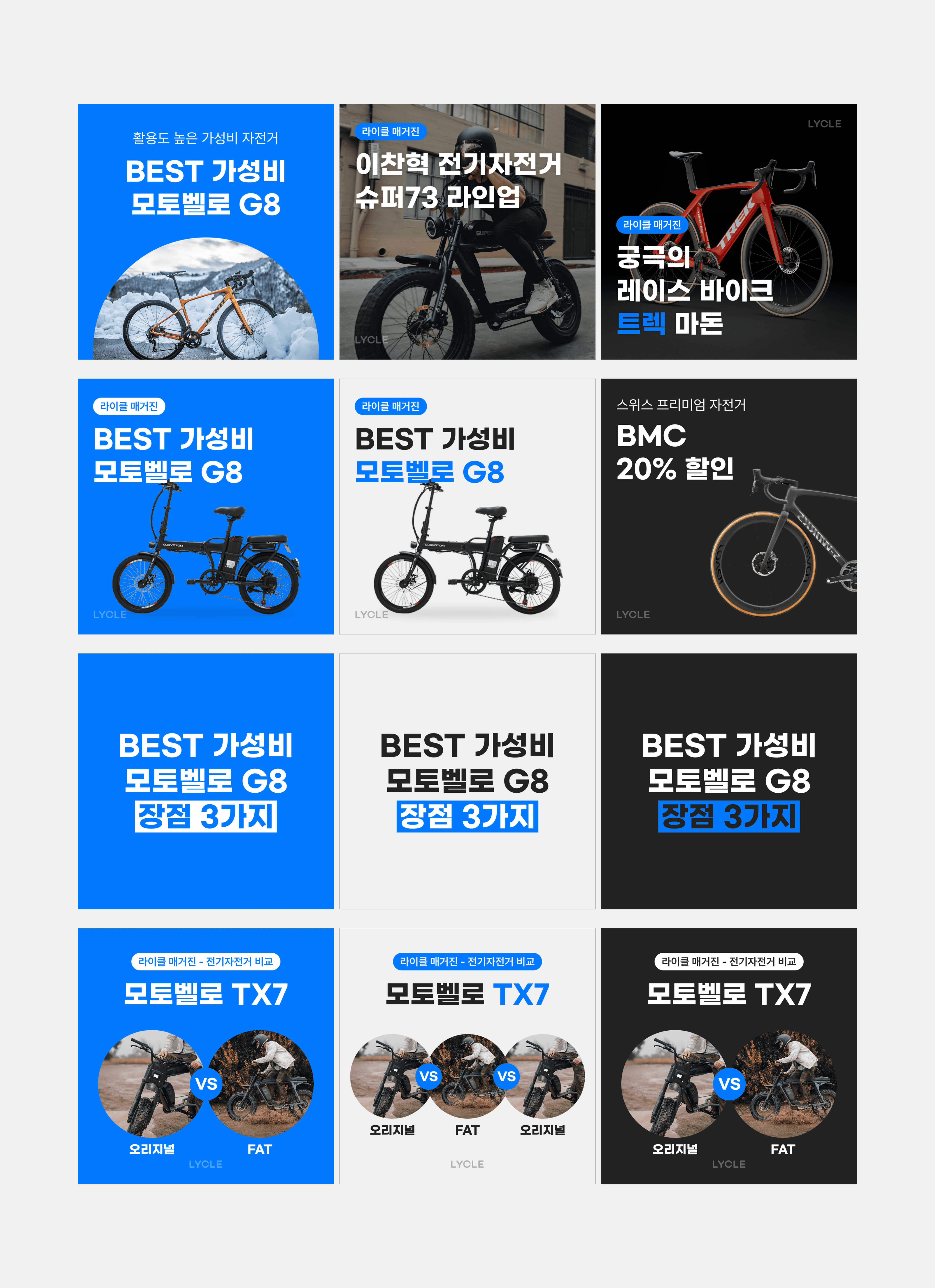
Example of versatile template layouts
Building a System for Growth
More than just a quick fix, this project focused on scaling the team’s overall content capabilities. By establishing a robust system of templates, we shifted from rigid rules to a creative foundation that empowers the team to design with purpose. Moving forward, I will continue refining this framework to keep our brand experience optimized and agile in a fast-paced digital environment.